From routine checkups to urgent guidance, this neighborhood-focused guide is brought to you by FlowGeniQ Digest.
Heart of Harlem Veterinary Clinic New York NY: What Makes a Great Vet Experience?
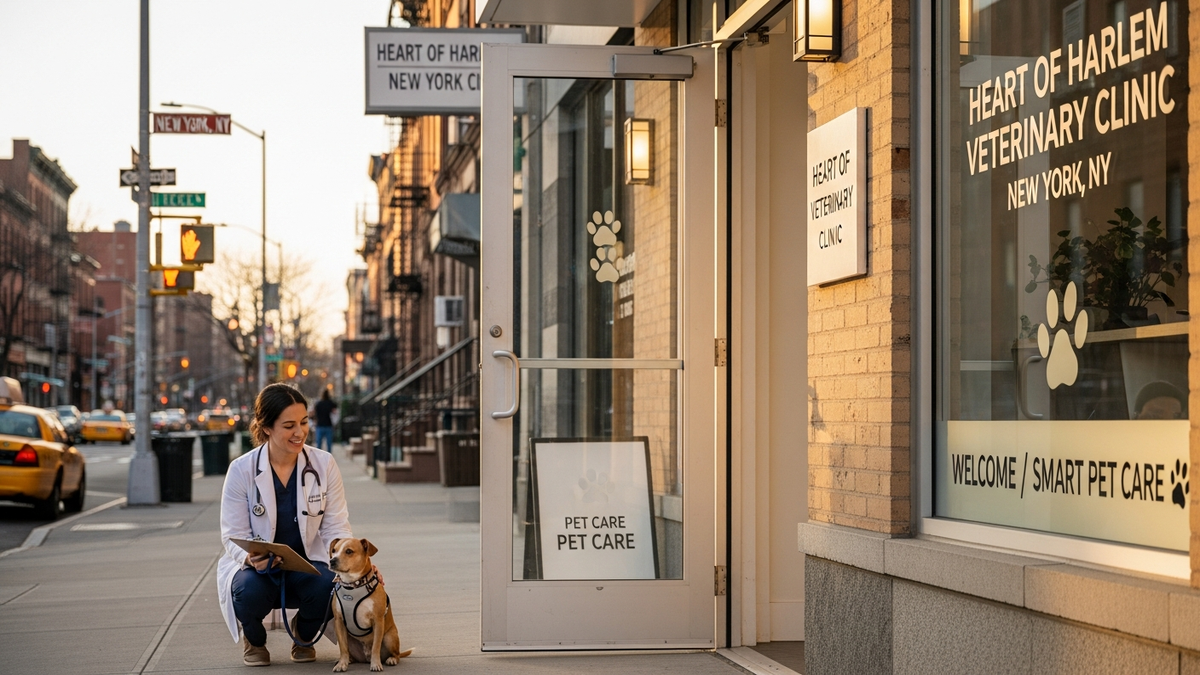
If you’re searching for heart of harlem veterinary clinic new york ny, you’re probably looking for more than an address—you want a clinic that feels approachable, communicates clearly, and supports long-term pet wellness. In Harlem and across New York City, pets face a unique mix of lifestyle factors: apartment living, busy street environments, seasonal allergens, and the everyday realities of travel and work schedules. A strong veterinary team helps you navigate all of that with preventive care, practical guidance, and timely escalation when something feels off.
This guide walks you through what to expect from a modern neighborhood veterinary clinic, how to prepare for your first visit, and how to think about wellness, vaccinations, diagnostics, and emergencies—so you can make confident decisions for your animal companion.
Why Location and Communication Matter in NYC Pet Care
When you live in a dense city, convenience is more than comfort—it can directly affect outcomes. A clinic that’s easy to reach can reduce delays in getting advice for vomiting, limping, ear infections, or breathing changes. Just as important: good communication helps you understand what’s happening, what your options are, and what to watch for at home.
Neighborhood clinics often excel at relationship-based care
A clinic that serves the local community well tends to learn your pet’s baseline over time—weight trends, dental status, skin patterns, and recurring issues. That history makes it easier to interpret new symptoms quickly.
Clear expectations improve adherence to treatment plans
Even the best care plan fails if it’s unclear. Look for clinics that explain: the suspected cause, the purpose of each test or medication, realistic timelines, and follow-up steps.
What to Expect at Heart of Harlem Veterinary Clinic New York NY
While each clinic’s workflow can vary, most reputable veterinary practices in New York follow a consistent structure for visits. Here’s a practical overview you can use to anticipate how appointments typically unfold when you contact a clinic like Heart of Harlem Veterinary Clinic New York NY.
1) Intake and health history
You’ll usually be asked about your pet’s age, species/breed, current diet, vaccination history, medications or supplements, and the timeline of the concern. For wellness visits, expect questions about activity level, appetite, stool/urine patterns, and any behavioral changes.
2) Vital checks and physical exam
Common components include temperature, heart rate, respiratory rate, hydration assessment, body condition scoring, and a head-to-tail physical exam. For cats, stress reduction is often emphasized; for dogs, behavior and comfort during handling are key.
3) Discussion of findings and options
A strong clinic will connect observations to next steps. For example, if your dog shows ear discomfort, the clinician may recommend an otoscopic exam, cytology, or treatment plus recheck instructions.
4) Diagnostics when needed
In NYC, diagnostic testing is often a key part of modern care—especially when symptoms are vague. Depending on the situation, a clinic may recommend bloodwork, urinalysis, fecal testing, imaging, or targeted tests for infectious or inflammatory conditions.
5) A plan you can act on
The best outcomes come from plans that are easy to follow: medication schedules, diet guidance, activity modifications, and clear “call us if…” thresholds.
Wellness Care: The Foundation of Preventive Pet Health
Preventive care isn’t just about vaccines—it’s about early detection. Many conditions become easier (and less expensive) to treat when they’re caught early.
Annual or semi-annual exams
For many pets, routine wellness visits are recommended annually, with more frequent checks for senior pets or those with chronic conditions. During these exams, clinicians can assess weight, dental health, skin and coat, heart and lungs, mobility, and neurologic status.
Vaccinations tailored to lifestyle
In a city, exposure risks can vary widely—even block to block. A good clinic will consider factors like boarding, dog parks, grooming, daycare, travel, and local outbreaks to tailor vaccine recommendations.
Parasite prevention and testing
Fleas, ticks, and internal parasites are persistent concerns. Many clinics recommend a prevention plan plus periodic fecal testing, especially for pets with gastrointestinal symptoms or exposure risks.
Dental care and oral health
Dental disease can contribute to pain, appetite changes, and systemic inflammation. If your pet has bad breath, drooling, or difficulty eating, ask about dental evaluation and the safest next steps.
When to Seek Urgent Care (and When to Call First)
In NYC, it can be tempting to “wait and see.” But some symptoms require immediate attention. When you call a clinic, ask whether you should come in now, monitor at home, or go to an emergency facility.
Common red flags that shouldn’t wait
- Breathing difficulty (open-mouth breathing, blue/gray gums, wheezing that doesn’t resolve)
- Severe or persistent vomiting/diarrhea (especially with lethargy or blood)
- Not eating for an extended period (varies by species/age)
- Seizures or sudden collapse
- Inability to urinate (especially in cats—this is urgent)
- Significant trauma (hit by car, falls, suspected fractures)
- Rapid swelling or uncontrolled bleeding
How to describe symptoms clearly
When you call, provide:
- When symptoms started and whether they’re getting worse
- What your pet is eating/drinking and whether they’re acting normally
- Any known exposures (other animals, plants, toxins)
- Photos or short videos if asked—these can be surprisingly helpful
Cost Planning in New York: How to Make Veterinary Care More Predictable
Veterinary care can feel unpredictable in a city. You can reduce stress by planning for common cost drivers and asking the right questions.
Ask for a diagnostic roadmap
If your pet has an ongoing issue, request options ranging from basic evaluation to more advanced testing. A clinic that offers a stepwise approach helps you balance urgency, likelihood, and budget.
Inquire about estimate ranges
Many practices can provide a ballpark for common visits. For example, an ear infection evaluation might include an exam, possible cytology, and medication; imaging or bloodwork adds cost depending on severity.
Consider wellness bundles or preventive programs
Some clinics offer wellness plans that bundle routine services. If available, compare what’s included (exam frequency, vaccines, preventive testing) versus paying per visit.
Keep records organized
Store vaccine records, medication lists, and lab results in one place. If you switch clinics or see specialists, having a complete timeline saves time and reduces repeated testing.
Choosing the Right Clinic: A Checklist for Pet Parents
Not every veterinary practice is the same. Use this checklist when you evaluate heart of harlem veterinary clinic new york ny or any clinic you’re considering.
Quality signals to look for
- Respectful communication (you feel heard, not rushed)
- Informed consent (options and risks are explained clearly)
- Follow-up clarity (recheck dates, what to monitor, and how to reach them)
- Comfort and handling (especially important for anxious dogs and cats)
- Preventive focus (not just “treat symptoms,” but reduce future risk)
Practical questions to ask on your first call
- What should I bring or upload before my appointment?
- Do you offer same-day sick visits or triage by phone?
- How do you handle urgent after-hours concerns?
- What’s your approach to pain control and dental evaluation?
- Can I get an estimate range for common scenarios?
Smart Prep for Your Appointment (So Your Visit Is More Productive)
A little preparation can turn a stressful visit into a clear, actionable plan.
Bring a “symptom timeline”
Write down:
- Start date/time
- How symptoms changed over time
- Anything you tried at home (and results)
Bring current meds and supplements
Even “natural” supplements can interact with prescriptions. Bring labels or take photos of the ingredients.
For cats: reduce stress during transport
Use a stable carrier, line it with familiar fabric, and keep the visit calm. Ask the clinic about cat-friendly handling if your cat is anxious.
For dogs: manage fear and mobility
If your dog is fearful or limping, mention it before you arrive. Clinics can plan how to approach exams safely.
Digital Support and Modern Clinic Efficiency
Many practices now use digital tools to streamline communication, reduce wait times, and support follow-up. If you’re exploring service quality, it can help to understand how clinics manage scheduling and inquiries.
AI-assisted workflows can help—but don’t replace clinical judgment
Some organizations use AI systems for appointment reminders, triage guidance, or customer service. If a clinic uses such tools, confirm that a licensed professional reviews medical questions when needed. For example, conversational platforms and service automation solutions—such as ai receptionists—may help route requests quickly, but symptoms still require clinical evaluation.
Similarly, businesses may deploy ai interns for businesses to support workflows. In veterinary care, the key is ensuring that medical decisions remain grounded in professional assessment.
Common Conditions in NYC Pets (and What “Good Care” Looks Like)
While every case differs, here are examples of situations where a clinic’s approach matters.
Skin and ear issues
Allergies, yeast, and bacterial infections can recur. Good care typically involves identifying triggers, confirming the cause (not guessing), and providing a clear recheck plan.
GI upset and picky appetite
Vomiting and diarrhea can have many causes—from diet changes to infections to stress. A quality clinic will assess hydration, ask about recent exposures, and recommend a stepwise plan.
Arthritis and mobility changes
In older pets, pain can show up as stiffness, slower stairs, or changes in sleep. Clinics often combine physical exam findings with mobility assessments and lifestyle adjustments.
Dental disease
Dental care isn’t only cosmetic. A strong clinic evaluates oral health and discusses options for safe treatment.
How to Build a Long-Term Wellness Plan
Once you’ve found a clinic you trust, the goal is consistency. A long-term plan can keep costs lower and improve outcomes.
Track the basics
- Weight changes (monthly for small shifts)
- Coat/skin changes
- Dental and breath
- Energy level and mobility
- Appetite and stool/urine patterns
Ask about preventive screenings
Depending on age and risk factors, screenings may include bloodwork, urinalysis, fecal tests, and heartworm/tick prevention guidance.
Plan rechecks and follow-ups
If treatment is started, rechecks confirm whether the plan is working. Don’t skip follow-ups unless your clinic advises otherwise.
FAQ: Heart of Harlem Veterinary Clinic New York NY
1) What should I bring to my first appointment?
Bring your pet’s medical records (if available), a list of current medications and supplements (or photos of labels), proof of vaccines if you have it, and a short symptom timeline. If you’re visiting for a specific concern, include when symptoms started and any home remedies you tried.
2) How do I know if my pet needs urgent care?
If your pet is struggling to breathe, can’t urinate, has uncontrolled bleeding, has seizures, or is severely lethargic, seek urgent guidance immediately. For less severe symptoms (like mild vomiting), call the clinic first—triage can help determine whether monitoring at home is reasonable.
3) Do clinics in Harlem offer wellness and vaccination planning?
Most reputable veterinary clinics offer wellness exams, vaccine recommendations, and preventive parasite guidance. The exact schedule depends on your pet’s age, lifestyle, and medical history.
4) Will I get an estimate before tests or treatment?
Many clinics can provide estimate ranges for common services. Ask about a diagnostic roadmap and whether there are lower-cost options or stepwise testing strategies.
5) How can I reduce stress for my cat or anxious dog at the vet?
Use a comfortable carrier, bring familiar items, consider asking for a cat-friendly exam approach, and mention anxiety or fear handling needs when booking. Some practices can suggest timing strategies to reduce waiting-room stress.
CTA: Take the Next Step Toward Confident Pet Care
If you’re ready to make pet healthcare easier and more consistent, start by reaching out to a clinic you can trust. Search for heart of harlem veterinary clinic new york ny, call to ask about scheduling and urgent triage, and prepare a brief symptom timeline so your first visit is productive.
Tip: If you’d like, use the FlowGeniQ Digest approach—write down what you’ve noticed, what changed, and what you’ve tried—then ask your clinic for a clear, stepwise plan you can follow at home.
From wellness to urgent questions, you deserve a veterinary experience that feels understandable, actionable, and supportive.
Professional Disclaimer
This content is provided for general educational purposes only by FlowGeniQ Digest. It is not a substitute for professional advice, diagnosis, or treatment. Readers are advised to consult qualified professionals for personalized recommendations.
Medical Information Disclaimer
This content is provided for general educational purposes only by FlowGeniQ Digest. It is not a substitute for professional advice, diagnosis, or treatment. Readers are advised to consult qualified professionals for personalized recommendations.