Searching for a methadone clinic New York can feel overwhelming—especially when you’re trying to balance safety, access, cost, and the day-to-day realities of treatment. Medication-assisted treatment (MAT) with methadone is a well-established option for opioid use disorder, and the right clinic can make recovery more structured, supportive, and sustainable.
In this FlowGeniQ Digest guide, we’ll walk through how methadone clinics work in New York, what to expect during intake and dosing, which services matter most, and how to evaluate programs so you can choose a clinic that fits your needs.
What Is a Methadone Clinic in New York?
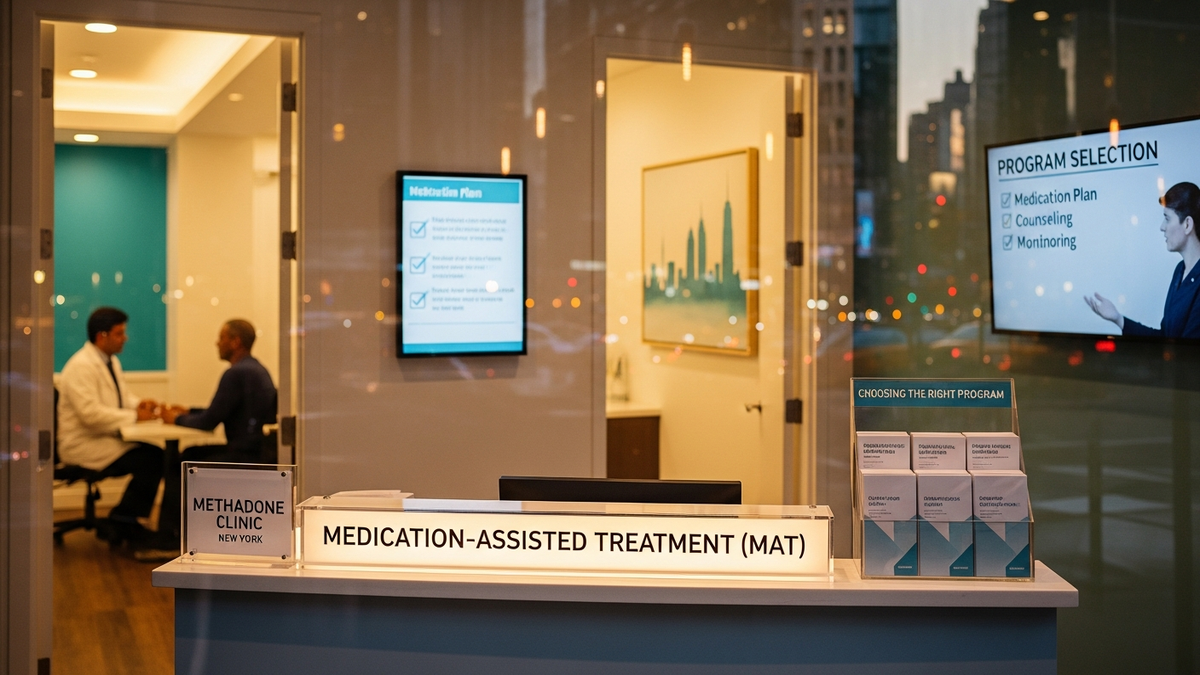
A methadone clinic (often called an opioid treatment program, or OTP) provides supervised methadone for opioid use disorder. In New York, OTPs are licensed and regulated, and they typically offer more than medication—most include medical evaluation, counseling or behavioral therapy, harm-reduction education, and ongoing monitoring.
While methadone is the medication many people associate with these clinics, a quality program also supports recovery through:
- Clinical assessment (history, current opioid use, medical needs)
- Medication management (dosing adjustments over time)
- Behavioral health services (individual/group counseling, case management)
- Urine drug testing and safety monitoring
- Care coordination for co-occurring conditions (e.g., anxiety, depression, chronic pain)
How Methadone Medication-Assisted Treatment (MAT) Works
Methadone is a long-acting opioid medication used to reduce withdrawal symptoms and cravings. When taken as prescribed, it helps stabilize brain chemistry and supports recovery behaviors by making daily life more manageable.
In a typical OTP, treatment is structured and evolves. Early on, clinics may require supervised dosing and more frequent visits. Over time, if you meet clinical criteria, you may be eligible for take-home doses under the clinic’s protocol and applicable regulations.
Key goals of MAT
- Stabilize opioid receptors to reduce cravings and withdrawal
- Improve function (work, family, routines)
- Reduce risk (including overdose risk)
- Support recovery via counseling and skill-building
What to expect at the beginning
Most people experience an intake phase that includes:
- Eligibility screening for opioid use disorder
- Medical evaluation (vitals, history, current medications)
- Baseline labs when indicated
- Initial methadone dosing with careful monitoring
- Ongoing reassessment and dose adjustments
Why Choosing the Right Methadone Clinic New York Matters
Not all methadone clinics feel the same. Two programs may offer the same medication but differ in patient experience—visit scheduling, counseling availability, communication style, comfort level with co-occurring conditions, and responsiveness when issues arise.
Choosing the right clinic can affect:
- Safety (monitoring, medication interaction screening)
- Adherence (how manageable dosing schedules are)
- Engagement (whether counseling and supports feel helpful)
- Progress (how quickly and appropriately dosing is optimized)
- Continuity of care (how well they coordinate referrals)
What Services to Look for in a Methadone Clinic
If you’re comparing a methadone clinic New York options, use this checklist to evaluate what matters most.
1) Comprehensive intake and medical oversight
A strong OTP should conduct a thorough medical assessment and screen for factors that affect methadone safety and dosing, including:
- Other substances (including alcohol or sedatives)
- Current medications (to reduce interaction risks)
- Cardiac history (methadone can affect heart rhythm in some cases)
- Pregnancy status (if applicable)
- Co-occurring conditions (pain, depression, anxiety, PTSD)
2) Counseling and behavioral health support
While methadone stabilizes physiology, long-term recovery usually requires support for behavior change and coping. Ask whether the clinic offers:
- Individual counseling and/or group therapy
- Trauma-informed care
- Relapse prevention planning
- Family support resources when appropriate
3) Clear dosing policies and communication
Ask how the clinic communicates dosing schedules, changes, and take-home eligibility. You want a program that is transparent about:
- How often you’ll be seen initially
- How dose adjustments are decided
- How missed doses are handled
- What documentation is needed for special circumstances
4) Monitoring that feels respectful
Urine drug testing and clinical monitoring are standard in OTPs. The goal is safety and treatment effectiveness—not punishment. A good clinic will explain the purpose clearly and treat you with dignity.
5) Wraparound care coordination
Recovery is rarely one-dimensional. Look for clinics that can connect you with:
- Primary care and chronic disease management
- Mental health services
- Social services (housing, benefits, employment support)
- Substance use education and harm reduction
Questions to Ask During a Methadone Clinic New York Consultation
Before you commit, prepare a short list of questions. Here are high-yield ones that can help you quickly compare programs.
- What is your intake process? How long does it take, and what documents are required?
- How do you set and adjust methadone doses? What criteria do you use?
- How often will I need to come in at the start? What changes over time?
- Do you offer counseling? Is it in-person or telehealth? Individual or group?
- How do you handle missed appointments or dosing?
- How do you manage co-occurring conditions? (depression, anxiety, chronic pain, etc.)
- What are your take-home dose criteria? How is progress evaluated?
- What costs are involved? Do you accept insurance? Are there payment options?
- How do you communicate between visits? Is there a patient portal or direct clinician messaging?
Cost, Insurance, and Practical Access in New York
Access is a major factor when choosing a methadone clinic New York program. Clinic schedules, transportation, and appointment frequency can affect your ability to stay consistent—especially early in treatment.
When you call or visit, ask about:
- Insurance acceptance and what plans are covered
- Self-pay options and sliding-scale policies (if available)
- Visit frequency and whether morning/evening slots exist
- Transportation support or guidance
- Telehealth availability for counseling or follow-ups (when clinically appropriate)
If scheduling is a challenge, some patients benefit from clinics that offer additional support systems—like streamlined check-in processes. In modern healthcare operations, AI-driven workflows such as ai receptionists can sometimes reduce administrative delays by improving call triage and appointment routing. This isn’t a substitute for clinical decisions, but it can help you get connected faster.
Safety Considerations and Medication Interactions
Methadone can be very effective when used correctly, but it also requires careful medical oversight. Safety is a key reason OTPs monitor patients and review medication histories.
Common safety topics to discuss
- Other sedating medications (e.g., benzodiazepines, certain sleep medications)
- Alcohol use and risk of respiratory depression
- Heart rhythm concerns (tell your clinician about any cardiac history)
- Pregnancy or breastfeeding (if applicable)
- Other opioids and how they’re handled clinically
Do not stop methadone abruptly
If you’re considering dose changes, it’s important to do so with your clinic’s guidance. Stopping suddenly can lead to withdrawal and increased relapse risk. A responsible program will coordinate tapering only when clinically appropriate.
How to Support Your Recovery Beyond Medication
MAT works best when combined with supportive strategies. While this article focuses on choosing a methadone clinic New York, your day-to-day recovery plan matters just as much.
Actionable habits that often help
- Build a routine: consistent sleep, meals, and appointment planning
- Attend counseling: treat therapy like a core treatment, not an optional add-on
- Track triggers: people, places, emotions, and stressors that increase cravings
- Use a support network: trusted friends, peer support, recovery groups
- Plan for stress: mindfulness, exercise, journaling, or structured coping tools
Consider holistic wellness—safely
Many people want to improve overall health during recovery. If you’re exploring nutrition or wellness programs, choose options that are transparent and medically informed. Avoid unverified claims or products that promise “instant cures.”
As a health and wellness platform, FlowGeniQ Digest often covers precision approaches across areas like weight, skin, and longevity. However, for opioid use disorder treatment, medication decisions should remain under your clinic’s clinical guidance.
What to Expect in Ongoing Treatment
Recovery isn’t a straight line. A good OTP helps you navigate changes—progress, setbacks, and evolving needs.
Typical treatment phases
- Stabilization: establish a dose that reduces cravings/withdrawal
- Engagement: begin or deepen counseling and recovery skills
- Maintenance: continue medication while building long-term stability
- Reassessment: adjust treatment approach based on your goals
Take-home dose eligibility
Clinics typically evaluate take-home eligibility based on adherence, stability, and safety criteria. Ask your clinic what milestones they look for and what documentation or behavior supports eligibility.
Finding a Methadone Clinic New York: A Step-by-Step Approach
If you’re not sure where to start, use this practical sequence.
Step 1: Identify your priorities
- Location and commute time
- Appointment schedule fit
- Availability of counseling
- Insurance/payment options
- Comfort with clinic staff and approach
Step 2: Contact clinics and ask the same questions
Comparing programs is easier when you ask a consistent set of questions. If you’re dealing with limited time, you may find that some clinics use administrative automation or staff support that improves responsiveness; in some settings, tools like ai interns for businesses can help route inquiries more efficiently. Regardless of tech, you should still confirm clinical details directly with the OTP.
Step 3: Request clarity on intake timing
Ask when you can begin dosing and what steps are required to get started. If you have urgent needs, be explicit and ask about earliest possible intake dates.
Step 4: Evaluate the program experience
During intake or an initial visit, pay attention to:
- How staff explain the process
- Whether you feel respected
- Whether counseling options are clearly presented
- How questions are answered
Step 5: Start treatment with a plan
Once you choose a clinic, set yourself up for success:
- Plan transportation in advance
- Keep a list of current medications and supplements
- Attend counseling sessions consistently
- Document any side effects and report them promptly
Related Recovery Supports You May Want to Ask About
Depending on your needs and the clinic’s services, you may benefit from additional supports alongside methadone.
Co-occurring mental health care
If you have depression, anxiety, PTSD, or other mental health concerns, ask how the clinic integrates care. Treatment outcomes often improve when both substance use disorder and mental health conditions are addressed.
Chronic pain management
Many people enter treatment with chronic pain. Ask how the clinic handles pain while minimizing overdose risk and avoiding unsafe prescribing patterns.
Harm reduction education
A supportive OTP will offer practical harm reduction guidance, including education about overdose risk and safer use practices. If appropriate, ask about naloxone resources and training.
FAQ: Methadone Clinic New York
How do I start at a methadone clinic in New York?
Typically, you’ll contact an opioid treatment program (OTP) for intake. Expect a clinical assessment, medical review, and an initial dosing plan. Bring documentation if available and be prepared to discuss your opioid use history and current medications.
Will I have to go to the clinic every day?
In many programs, early treatment requires frequent visits and supervised dosing. Over time, clinic criteria may allow changes in visit frequency and potential take-home dosing. Your clinic will explain the specific schedule and eligibility requirements.
What should I bring to my first appointment?
Bring any government ID, insurance information (if you have it), a list of current medications and supplements, and any relevant medical records. If you don’t have records, the clinic can still begin intake and request additional information as needed.
How long does methadone take to work?
Some people notice reduced withdrawal symptoms relatively quickly, but stabilization and optimal dosing can take time. Clinics monitor you closely and adjust dosing based on response and safety.
Can I receive counseling along with methadone?
Most OTPs include counseling or behavioral health services as part of treatment. Ask what type of counseling is available (individual/group), how often sessions occur, and whether telehealth options exist.
CTA: Ready to Choose the Right Program?
Choosing a methadone clinic New York is a major step—and you deserve a program that’s safe, structured, and supportive. Use the questions and checklist above to compare clinics, then reach out to your top options to confirm intake timelines, counseling availability, and practical scheduling.
If you’re looking for more recovery and health guidance, keep exploring FlowGeniQ Digest for evidence-informed content across wellness topics—always with an emphasis on connecting the dots between medical care, daily habits, and long-term outcomes.
Professional Disclaimer
This content is provided for general educational purposes only by FlowGeniQ Digest. It is not a substitute for professional advice, diagnosis, or treatment. Readers are advised to consult qualified professionals for personalized recommendations.
Medical Information Disclaimer
This content is provided for general educational purposes only by FlowGeniQ Digest. It is not a substitute for professional advice, diagnosis, or treatment. Readers are advised to consult qualified professionals for personalized recommendations.