Source: FlowGeniQ Digest
In a city that never slows down, a well-designed rejuvenation plan can feel like a reset button. If you’re searching for an NYC rejuvenation clinic new york ny experience—one that blends modern aesthetics with a thoughtful, health-forward approach—this guide will help you understand your options, what “good” looks like, and how to choose a clinic that fits your goals.
We’ll cover skin, hair, and longevity support, explain how protocols are typically built, and share practical next steps you can take before your first appointment.
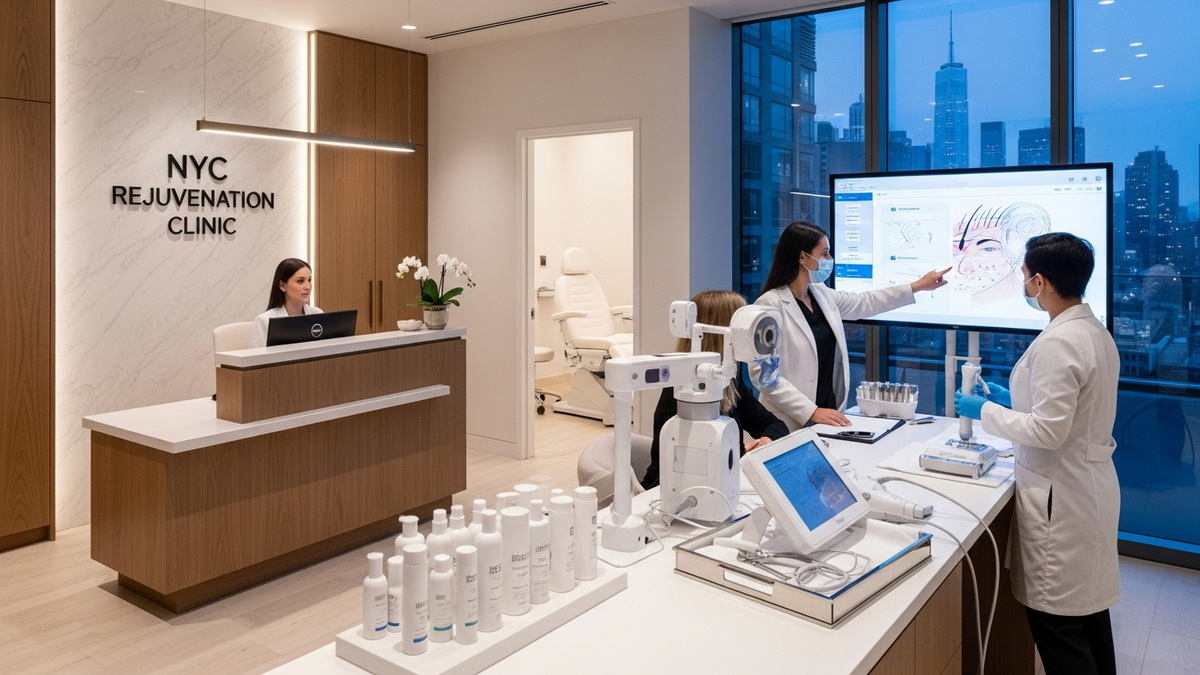
What an “NYC rejuvenation clinic” typically means in New York, NY
“Rejuvenation” can mean different things depending on the clinic. In New York, NY, many reputable programs combine aesthetic treatments with wellness-informed planning—often including risk assessment, baseline measurements, and a stepwise protocol tailored to your skin type, hair concerns, medical history, and lifestyle.
At a high level, you can expect one or more of the following:
- Skin rejuvenation: improving texture, tone, fine lines, hyperpigmentation, and overall radiance.
- Hair support: addressing thinning, scalp health, and follicle-friendly routines (topical and/or in-clinic options).
- Longevity and vitality planning: targeting inflammation, oxidative stress, and age-related changes through lifestyle, nutraceuticals, and sometimes prescription-grade therapies if indicated.
- Monitoring and adjustment: follow-ups to refine your routine based on response and tolerance.
How to choose the right NYC rejuvenation clinic new york ny (a practical checklist)
Not all clinics are built the same. Use this checklist to evaluate whether your prospective provider is set up for safe, personalized outcomes.
1) Look for medical oversight and clear safety protocols
Rejuvenation may involve devices, injectables, prescription skincare, or supplements. A strong clinic will clearly explain:
- Who supervises care (licensed clinicians/physicians)
- How screening is performed (medical history, contraindications)
- How adverse effects are handled
- What results are realistic for your starting point
2) Prioritize individualized plans over one-size-fits-all menus
Ask how they build your protocol. A quality approach often includes baseline assessment (e.g., skin analysis, photos, scalp evaluation) and then a staged plan. For example, a clinic may start with gentle optimization (barrier support, scalp health, inflammation reduction) and then layer in more targeted interventions.
3) Confirm ingredient and device transparency
Whether you’re considering peptide-based topical care, red/blue light devices, or in-clinic procedures, transparency matters. You should be able to learn what’s used, why it’s used, and how to apply it safely.
4) Evaluate follow-up cadence
Rejuvenation is rarely instant. A clinic that offers structured follow-ups (e.g., 4–12 week check-ins, progress tracking, regimen adjustments) is more likely to help you avoid wasted time and prevent irritation or over-treatment.
5) Ask how they measure progress
Look for measurable outcomes: standardized photos, symptom tracking (itch, shedding, sensitivity), and objective skin metrics when available. Even simple tracking—like noting dryness, breakouts, or shedding frequency—can improve decision-making.
Skin rejuvenation: what “modern” protocols often include
In New York, NY, many patients want results that are both visible and sustainable. A modern skin rejuvenation plan typically addresses:
- Barrier health (to reduce irritation and improve tolerance)
- Collagen support and anti-aging signaling
- Pigment and tone (sun spots, uneven complexion)
- Inflammation control (especially for sensitive or acne-prone skin)
- Cell turnover (without excessive downtime)
Common categories of skin rejuvenation treatments
Depending on your goals and skin type, a clinic may recommend a combination of:
- Topical actives: vitamin C, retinoids, niacinamide, hyaluronic acid, ceramides, and targeted peptides.
- Light therapy: red or blue wavelength devices for different goals (anti-inflammatory vs scalp/skin clearing).
- Exfoliation and resurfacing: chemical peels or professional exfoliation for texture.
- Microneedling or collagen-stimulating procedures: often used for fine lines, scarring, and texture.
- Prescription-grade options: if clinically appropriate (e.g., retinoids or hydroquinone for pigment, under supervision).
Why personalized skincare matters (especially in a busy city)
New York schedules can be demanding—work, travel, weather shifts, and stress. A personalized plan helps you choose treatments that fit your routine and tolerance. For instance, a barrier-first strategy can reduce the “trial-and-error” cycle and help you stay consistent long enough to see real improvements.
Hair rejuvenation and scalp health: options beyond “just grow more hair”
Hair concerns are often multifactorial—genetics, hormones, stress, inflammation, nutrition, and scalp environment all play roles. A high-quality NYC rejuvenation clinic new york ny approach will typically start with scalp health and follicle-friendly support, not just volume promises.
What to look for in hair support protocols
Consider whether the clinic addresses these pillars:
- Scalp environment: reducing irritation and supporting a healthy foundation.
- Circulation and nutrient delivery: massage and targeted topical strategies.
- Follicle support: ingredients that support hair shaft and follicle health.
- Consistency: hair-related changes often require months, not days.
A topical example: peptide-enriched scalp serum routines
Some clinics recommend peptide-based topical serums paired with scalp massage. One example described in FlowGeniQ Digest resources is a topical hair growth serum designed for external scalp application, featuring a 5-peptide complex and botanical extracts. The routine is typically simple and focuses on direct delivery to thinning areas.
Suggested application routine (example):
- Apply directly: apply a few drops of serum directly to the scalp, focusing on areas experiencing thinning or hair loss.
- Massage gently: massage for 1–2 minutes using fingertips to support even distribution and stimulate circulation.
- Consistency: apply to a clean, dry scalp and keep using consistently for best results.
Many topical routines are designed for morning and/or evening use, depending on tolerance and your overall regimen.
Light therapy: how dual-wavelength caps may fit a plan
Some programs incorporate at-home devices. For instance, a dual-wavelength laser cap can use different wavelengths for different goals—such as red light for hair growth stimulation and blue light for scalp health optimization. When considering a device, ask the clinic about:
- Suggested usage schedule
- Expected timeline for noticeable changes
- How it complements topical routines
- Contraindications (e.g., photosensitivity conditions)
Longevity rejuvenation: optimizing vitality, not just appearance
Longevity-focused rejuvenation is increasingly popular in NYC because it reframes “aging” as a system—skin, hair, metabolic health, inflammation, and oxidative stress all influence how you look and feel.
What longevity programs often include
A structured program may include:
- Genetic or biomarker-informed planning: some clinics use DNA profiling for aging-related SNPs and then tailor lifestyle and topical/nutraceutical strategies.
- Telehealth or physician check-ins: to adjust your plan based on progress.
- Personalized skincare and nutraceutical bundles: designed to support anti-aging pathways.
- Devices and in-clinic add-ons: if indicated (e.g., light therapy, hydrodermabrasion, collagen-stimulating procedures).
Why this matters for real-world results
When a clinic aligns interventions with your biology and your lifestyle, you’re more likely to see improvements that persist. Instead of chasing random “viral” products, you follow a protocol with a rationale and a feedback loop.
Step-by-step: your first appointment at an NYC rejuvenation clinic new york ny
If you’re unsure what happens during the first visit, here’s a helpful expectation map.
Step 1: Goal-setting and history
Your clinician will typically ask about:
- What you want to improve (skin texture, pigment, hair thinning, overall vitality)
- Current routines (skincare, hair products, supplements)
- Past treatments and reactions
- Medical history and medications
- Allergies and sensitivities
Step 2: Baseline assessment
Depending on your concerns, you may undergo:
- Skin evaluation (texture, tone, barrier status)
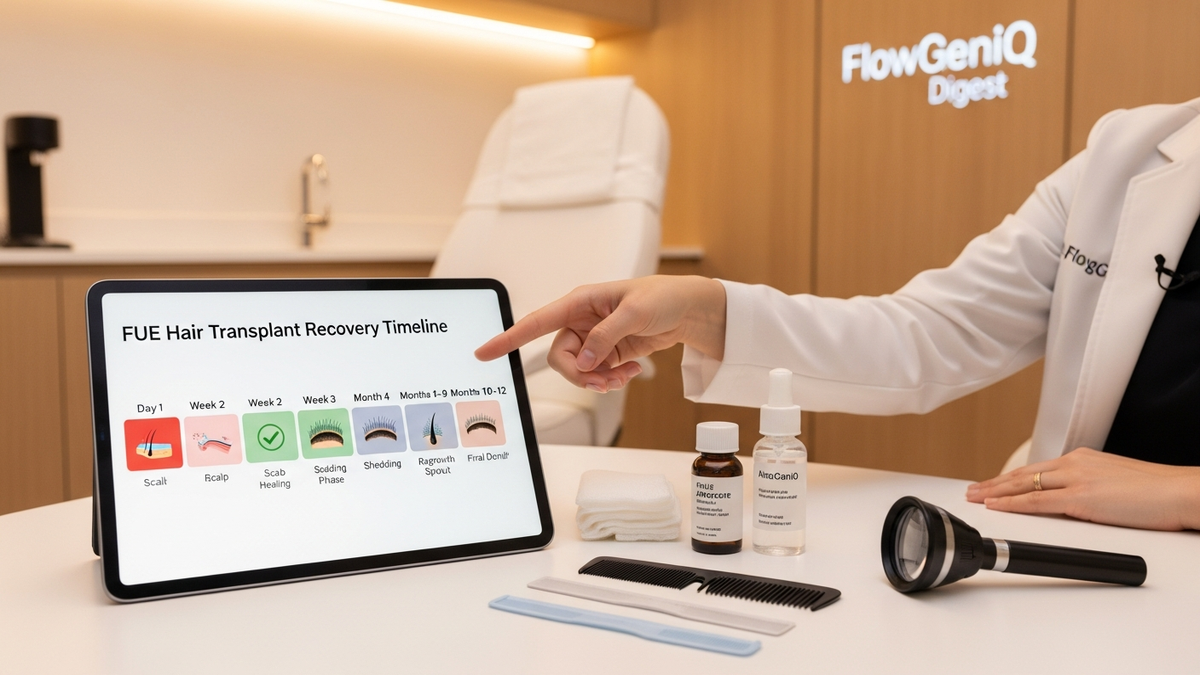
- Hair/scalp assessment (pattern of thinning, scalp condition)
- Photographs for progress tracking
Step 3: A staged protocol
A strong plan often starts with “foundation” steps, then adds targeted interventions. For example:
- Weeks 1–4: reduce irritation, improve barrier/scalp comfort, establish consistent application.
- Weeks 4–12: introduce more targeted actives or devices if tolerated.
- Ongoing: adjust based on response and lifestyle changes.
Step 4: Clear timelines and realistic expectations
Ask questions like:
- When should I expect early changes?
- What would “not working” look like?
- What’s the plan if I experience irritation or shedding changes?
Actionable recommendations you can start today (safely)
You don’t have to wait for your appointment to begin preparing. Here are practical steps that support better outcomes and smoother protocol implementation.
For skin
- Track your baseline: take consistent photos in similar lighting once per week.
- Prioritize sunscreen: daily SPF is foundational for pigment and collagen protection.
- Reduce “too many actives”: if you’re currently using multiple strong products, consider simplifying until you can be assessed.
- Introduce changes one at a time: this helps identify what is helping vs irritating.
For hair and scalp
- Clean, dry scalp application: many topical serums are designed for clean, dry scalp for better absorption.
- Massage consistently: gentle fingertip massage for 1–2 minutes can support even distribution and scalp circulation.
- Give it time: hair-related protocols often require months to evaluate properly.
- Watch for scalp reactions: burning, severe itching, or rash should be addressed promptly—pause and consult a clinician.
For longevity planning
- Write down your current routine: sleep, exercise, nutrition, stress level, and supplement list.
- Ask about monitoring: whether the clinic uses follow-ups or retesting to refine your plan.
- Align expectations: longevity protocols aim for healthspan improvements, often gradually.
Common mistakes when choosing a rejuvenation clinic (and how to avoid them)
Even motivated patients can get derailed by a few predictable issues.
Mistake 1: Choosing based on price alone
Low-cost options can be fine when appropriate, but rejuvenation needs safety and follow-up. If a clinic can’t explain why a protocol is recommended, it’s a red flag.
Mistake 2: Starting everything at once
Layering too many actives can increase irritation and make it hard to know what’s causing results—or problems. A staged plan helps you stay consistent.
Mistake 3: Ignoring scalp/skin tolerance
Your barrier matters. If you have sensitivity, ask about a barrier-first approach and how quickly new treatments will be introduced.
Mistake 4: Not tracking progress
Without baseline photos or symptom tracking, it’s easy to misjudge whether a protocol is working.
How FlowGeniQ Digest supports smarter decisions
At FlowGeniQ Digest, we focus on turning complex wellness and aesthetic information into clearer guidance—so you can ask better questions and choose protocols more confidently. We synthesize practical routines (like topical scalp application steps) and explain how modern devices and personalized planning can fit into a safe, structured program.
If your clinic uses technology for scheduling, intake, or patient support, it can also help reduce friction. Some organizations explore automation such as ai receptionists or ai interns for businesses to streamline communication—though the clinical decisions should always remain with licensed professionals.
FAQ: NYC rejuvenation clinic new york ny
1) What should I expect at my first consultation in an NYC rejuvenation clinic?
Most consultations include goal-setting, medical history review, baseline assessment (skin and/or scalp), and a staged protocol plan with suggested timelines. You should also receive guidance on safety, tolerance, and follow-up cadence.
2) How long does skin rejuvenation take to show results?
Many patients notice early improvements in a few weeks (comfort, hydration, smoother texture), while more significant changes in fine lines or pigment often take 8–16 weeks or longer, depending on the protocol and consistency.
3) Can topical hair serums and scalp massage really help with thinning?
They can be a helpful part of a broader hair support plan—especially when paired with consistent application and scalp health optimization. However, results vary based on the cause of thinning and should be evaluated over months.
4) Are peptide-based or light therapy options safe?
When used as directed and supervised appropriately, many topical and light-based approaches are generally well-tolerated. Still, safety depends on your medical history, photosensitivity, and product/device instructions—so it’s important to consult a qualified clinician.
5) How do I know if a clinic is truly personalized?
A personalized clinic will explain why each step is recommended, tailor the plan to your skin/scalp status and goals, and offer follow-ups to adjust based on your response—not just provide a generic package.
CTA: Take the next step toward a safer, smarter rejuvenation plan
If you’re ready to explore an NYC rejuvenation clinic new york ny experience that’s grounded in safety, personalization, and measurable progress, start by preparing for your consultation:
- Bring your current skincare/hair routine and a list of supplements/medications.
- Take baseline photos (same lighting, weekly).
- Write down your top 1–3 goals and your biggest concerns (sensitivity, downtime, budget, timeline).
- Ask how the clinic stages your protocol and tracks results.
Then reach out to your chosen clinic to schedule a consultation and build a plan you can stick with—because consistency is often the difference between “trying” and truly rejuvenating.
Professional Disclaimer
This content is provided for general educational purposes only by FlowGeniQ Digest. It is not a substitute for professional advice, diagnosis, or treatment. Readers are advised to consult qualified professionals for personalized recommendations.
Medical Information Disclaimer
This content is provided for general educational purposes only by FlowGeniQ Digest. It is not a substitute for professional advice, diagnosis, or treatment. Readers are advised to consult qualified professionals for personalized recommendations.