Updated for veterans and caregivers in the Watertown, NY area
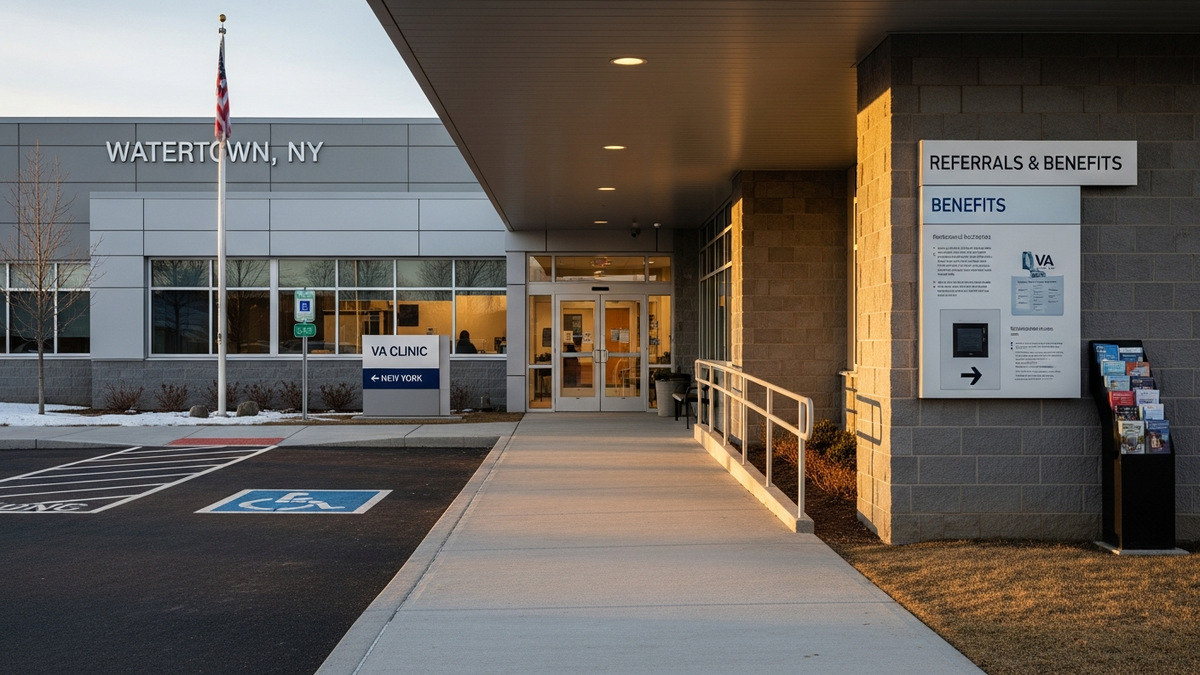
Introduction: Finding the Right VA Clinic in Watertown, New York
If you’re looking for a va clinic Watertown New York location or you’re trying to understand how to access VA care, you’re not alone. Navigating appointments, eligibility, referrals, and paperwork can feel overwhelming—especially when you’re dealing with health concerns, travel time, or busy schedules.
This guide is designed to help you take action quickly. You’ll learn how VA care typically works in the Watertown region, what to bring to your first visit, how referrals and specialty services are handled, and how to reduce delays. Where relevant, we also include practical “systems” tips—like how to prepare questions, track symptoms, and coordinate with providers.
Note: FlowGeniQ Digest provides general educational guidance. Policies and availability can change, so always confirm details with official VA channels and your care team.
What “VA Clinic” Usually Means in Watertown, NY
When people search for a va clinic Watertown New York they may be referring to different types of VA-affiliated services, such as:
- VA medical centers or outpatient clinics that provide primary care and select specialty services
- Community-based outpatient clinics (CBOCs) (often smaller sites connected to a larger VA facility)
- Telehealth options for follow-ups, behavioral health, and some specialty consultations
- Referral pathways to specialists or higher-level VA services when needed
Because the VA system is structured across regional networks, the “closest clinic” may not always be the site where every service is delivered. Your eligibility and clinical needs determine where you’ll be scheduled.
Eligibility Basics: Who Can Receive VA Care?
VA eligibility is typically based on factors like service history, discharge status, and—depending on the benefit—your priority group. While exact rules vary, here are the common starting points:
- Veteran status with qualifying service
- Priority group assignment (influenced by disability status, income, and other criteria)
- Enrollment in VA health care (often required to schedule most services)
Action step: If you’re unsure whether you’re enrolled, gather your service information (e.g., branch, dates, discharge paperwork if available) and contact VA enrollment support or your local clinic for guidance.
How to Schedule Care at a VA Clinic Near Watertown
Scheduling can differ depending on whether you’re requesting primary care, a specialist, urgent evaluation, or a follow-up. Generally, these steps help you move faster:
1) Start with the right entry point
For many veterans, the fastest route begins with:
- Primary care for ongoing health needs and referrals
- Urgent care guidance if symptoms are time-sensitive (the clinic can advise next steps)
- Specialty clinic requests when you already have a diagnosis or specialist recommendation
2) Ask about the most efficient appointment type
Depending on availability, you may be offered:
- In-person visits
- Telehealth follow-ups (especially for stable conditions)
- Coordination between sites (e.g., Watertown-area travel to a larger facility)
3) Request referrals when appropriate
Specialty care often requires a referral from your primary care provider. When you call or message for an appointment, clearly explain what you need and why.
4) Prepare your “clinical story” up front
Even short, organized information can speed triage. Consider preparing:
- Top 1–3 concerns (what’s bothering you most)
- When symptoms started
- What helps or worsens symptoms
- Current medications and doses
- Any recent test results or imaging reports
What to Bring to Your First Appointment
Whether you’re visiting a va clinic Watertown New York site for primary care, a new diagnosis, or a follow-up, coming prepared can reduce delays.
Essential documents
- VA health identification details (if you have them)
- Photo ID
- Medication list (or pharmacy packaging)
- Relevant medical records (if you have them)
- Insurance information if you have it (VA may still be primary, but staff will confirm)
Bring a short question list
It’s easy to forget questions once you’re in the room. Write down:
- What diagnosis is being considered (if known)
- What tests are recommended and why
- What treatment options exist (including risks/benefits)
- What to watch for and when to seek urgent care
Common Services You May Find (and How They’re Coordinated)
VA outpatient sites and clinics often provide a mix of services. Availability can vary by site, but common categories include:
- Primary care (annual exams, chronic condition management)
- Behavioral health (therapy, psychiatry, medication management)
- Women’s health (as available)
- Rehabilitation services and therapy referrals
- Laboratory and imaging coordination (with results routed to your provider)
- Medication management and care plan updates
Referrals and specialty care: what to expect
Specialty appointments may be scheduled at a nearby facility depending on provider availability. Your primary care team typically coordinates:
- Referral to the appropriate clinic (cardiology, dermatology, orthopedics, etc.)
- Pre-visit testing requirements (if any)
- Follow-up scheduling after the specialist visit
Tip: If you don’t hear back after requesting a referral, contact your clinic’s scheduling line and ask for the status and expected timeline.
Reducing Wait Times: Practical Strategies That Work
Wait times are a common concern for veterans. While you can’t always control scheduling, you can influence how smoothly your request is handled.
Use clear triage language
When calling, describe urgency accurately. For example:
- “I need evaluation within 24–48 hours due to worsening symptoms…”
- “This is chronic and stable; I’m looking for routine follow-up…”
Ask whether telehealth is appropriate
Telehealth can reduce travel burden for follow-ups and some symptom check-ins. Ask your clinic if a virtual visit is an option.
Bring relevant records to avoid repeat testing
If you’ve had recent labs, imaging, or specialist notes, bring copies or request them from previous providers. This can reduce redundant work.
Keep a simple symptom log
For chronic issues, a quick log (dates, severity, triggers, medication changes) helps clinicians make faster decisions.
Care Coordination for Veterans and Caregivers
Many veterans rely on family members or caregivers for scheduling, transport, and communication. If you’re a caregiver supporting someone seeking a va clinic Watertown New York appointment, consider:
- Confirming the best way to communicate (phone, portal messaging, or in-person instructions)
- Helping the veteran prepare questions and medication lists
- Asking about follow-up steps before leaving the appointment
- Keeping records of test results and care plans
Systems tip: If you manage multiple appointments, use one shared calendar and one “question tracker” so nothing gets missed.
AI support for scheduling and communication (use responsibly)
Some veterans and clinics are exploring automated tools to streamline scheduling or patient communication. If you use AI-based helpers, treat them as assistive tools, not medical authorities. For example, you may encounter solutions marketed as ai receptionists or ai interns for businesses. These tools can sometimes help with intake workflows, but they should never replace clinician judgment or official VA guidance.
When to Seek Urgent or Emergency Care
VA clinics can guide you, but not every situation can wait for an appointment. If you have severe symptoms—such as chest pain, difficulty breathing, sudden weakness, uncontrolled bleeding, or signs of stroke—seek emergency care immediately.
If you’re unsure, call your clinic for triage instructions or follow local emergency guidance.
How FlowGeniQ Digest Helps You Plan Smarter Health Visits
At FlowGeniQ Digest, we focus on practical, evidence-informed planning—so you can spend less time guessing and more time getting answers. While our content is not specific to one VA site, the same preparation principles apply:
- Turn symptoms into a clear narrative for faster triage
- Prepare a medication and question list to reduce back-and-forth
- Understand the role of referrals so you know what to ask for
- Use consistent routines for chronic conditions and follow-up adherence
We also emphasize that personalized treatment decisions should be made with qualified clinicians—especially when medications, diagnoses, or complex health conditions are involved.
FAQ: VA Clinic Watertown New York
1) How do I find the correct va clinic Watertown New York for my needs?
Start by identifying whether you need primary care, a specialty service, or urgent evaluation. Then contact the VA scheduling or local clinic line to confirm the best site and appointment type (in-person vs telehealth). Availability can vary by program and clinician schedules.
2) What should I do if I’m not enrolled in VA health care?
If you’re not enrolled, ask about enrollment steps before scheduling most routine care. Have basic service and identification information ready, and request guidance on priority group eligibility and next steps.
3) Do I need a referral to see a specialist?
Often, yes. Many specialty services require a referral from your primary care provider. When requesting an appointment, clearly state your concern and any prior diagnosis so clinicians can determine whether a referral is appropriate.
4) How can I reduce delays or missed communication?
Use one point of contact for scheduling, keep a current medication list, and bring relevant records. Ask for the expected timeline for referrals or tests, and confirm follow-up steps before you leave your appointment.
5) When should I seek emergency care instead of waiting for a VA appointment?
Seek emergency care for severe or rapidly worsening symptoms (for example, chest pain, breathing difficulty, stroke-like symptoms, or uncontrolled bleeding). If unsure, contact the clinic for triage instructions or follow local emergency guidance.
CTA: Take the Next Step Today
If you’re searching for a va clinic Watertown New York and want a smoother path to care, start with two quick actions:
- Write your top 1–3 concerns and medication list (even a rough version) before you call.
- Contact the VA scheduling line or your local clinic and ask what appointment type is best (primary care, specialist, or telehealth) and what documents you should bring.
For more practical guides like this, explore FlowGeniQ Digest—where we help you plan smarter health conversations, appointments, and next steps.
Professional Disclaimer
This content is provided for general educational purposes only by FlowGeniQ Digest. It is not a substitute for professional advice, diagnosis, or treatment. Readers are advised to consult qualified professionals for personalized recommendations.
Medical Information Disclaimer
This content is provided for general educational purposes only by FlowGeniQ Digest. It is not a substitute for professional advice, diagnosis, or treatment. Readers are advised to consult qualified professionals for personalized recommendations.