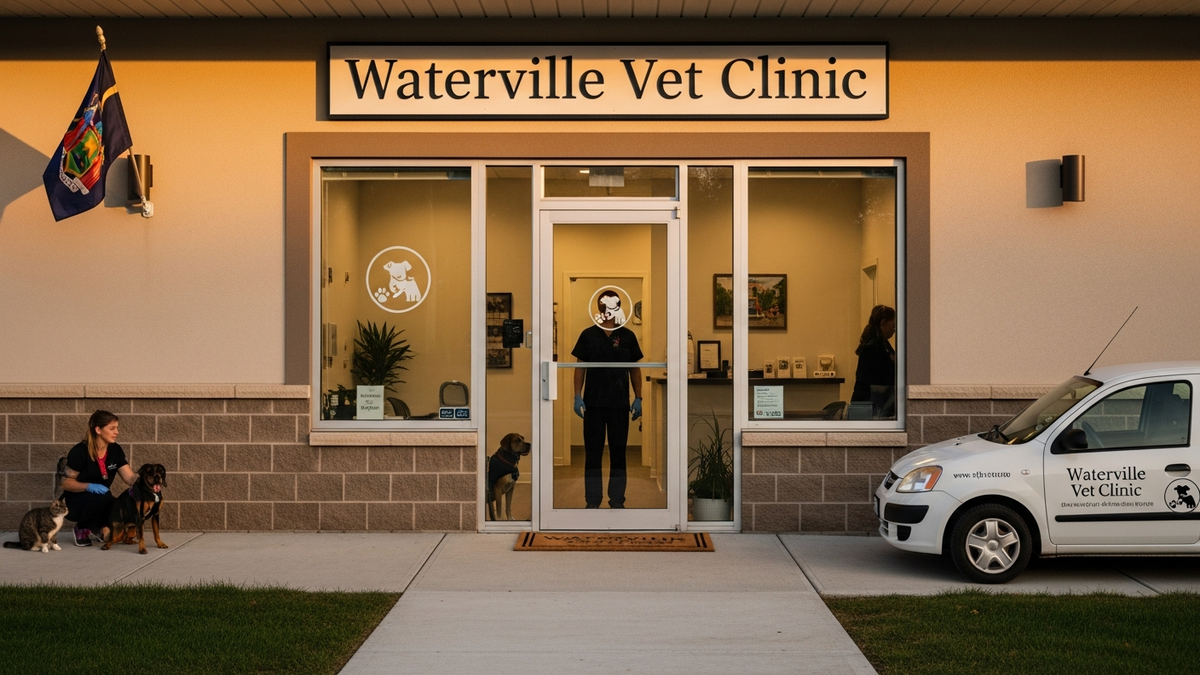
Finding the right veterinarian is one of the best ways to protect your pet’s health. If you’re searching for a waterville vet clinic new york, you’re likely balancing practical needs—like hours, location, and appointment availability—with deeper concerns like diagnostic capability, communication style, and preventive care quality.
In this guide, FlowGeniQ Digest breaks down how to evaluate a local clinic, what services matter most for different life stages, and how to prepare for visits so you get clearer answers faster. Whether your pet needs routine wellness care or help with an urgent issue, the checklist below will help you make a confident choice.
Why choosing a Waterville vet clinic in New York matters
A good veterinary clinic isn’t just a place where your pet is examined. It’s a system for prevention, early detection, timely treatment, and follow-up. For many pet owners, the best clinic is the one that combines:
- Strong medical fundamentals (diagnostics, treatment plans, and safety checks)
- Clear communication (plain-language explanations and transparent options)
- Practical accessibility (appointment scheduling, reasonable wait times, and responsive staff)
- Compassionate handling (stress-aware handling for anxious pets)
When you search for waterville vet clinic new york, you’re typically looking for a local partner you can trust over time—not a one-off visit.
What to look for in a Waterville vet clinic (New York)
Different pets have different needs. Still, certain clinic qualities tend to correlate with better outcomes and smoother experiences.
1) Preventive care and wellness planning
Ask whether the clinic offers structured wellness visits that match your pet’s age and risk factors. A strong wellness plan often includes:
- Baseline physical exams and vital sign review
- Vaccination recommendations tailored to lifestyle
- Parasite prevention guidance (fleas, ticks, worms)
- Dental screening and home-care recommendations
- Weight management support when needed
If you’re comparing clinics, wellness organization is often a good “early signal” that care will be consistent over time.
2) Diagnostic capability (beyond the basics)
Even routine issues can require diagnostics to rule out serious conditions. Consider whether the clinic can perform or promptly coordinate tests such as:
- In-house bloodwork/urinalysis (or fast referral pathways)
- Imaging (e.g., X-ray) and interpretation
- Assessment for common conditions (skin, GI issues, respiratory concerns)
- Parasite testing and appropriate treatment follow-through
For pet owners, the goal is not “more tests,” but the right tests at the right time. A transparent clinic can explain why diagnostics matter and what each option costs and risks.
3) Treatment planning that includes options
When your pet needs medication, a quality clinic will explain:
- What the treatment is intended to do
- How long it should take to see improvement
- Potential side effects and what to watch for
- What happens if the first plan doesn’t work
Look for clinics that offer a stepwise approach—especially for chronic conditions where multiple strategies may be needed.
4) Safety protocols and medication handling
Ask how the clinic handles medication safety and follow-up. Helpful indicators include:
- Clear dosing instructions (including weight-based dosing)
- Allergy and previous medication history review
- Standardized discharge instructions
- Recheck timelines and escalation guidance
In urgent situations, these details reduce errors and confusion.
5) A staff culture that reduces stress
Many pets experience anxiety during visits. A clinic that understands stress-aware handling can make a major difference. Consider whether the clinic can accommodate:
- Safer exam pacing (especially for fearful animals)
- Quiet waiting areas or reduced-noise strategies
- Gentle restraint practices
- Options for sedation discussions when appropriate
Even if your pet is calm, a low-stress environment tends to improve exam quality and reduces “missed details.”
Services you may need (and how to match them to your pet)
Not every clinic offers every service on-site, but you should understand what’s available and what referrals look like.
Wellness care for puppies, kittens, and adult pets
For young pets, wellness care is about building a foundation: vaccination schedules, growth monitoring, and early detection of developmental concerns. For adult pets, it focuses on maintaining stability and identifying issues before they become emergencies.
Actionable tip: Bring a short list before the visit: appetite changes, stool/urination changes, energy level, scratching/skin issues, and any new behaviors. This helps the team prioritize your concerns.
Dental support
Dental disease can affect more than teeth—it can influence overall health. A clinic that normalizes dental screening and discusses home-care options is often a strong long-term choice.
- Ask how they evaluate dental health during exams
- Ask about cleaning recommendations and what “stages” of disease mean
- Ask for safe at-home dental routine guidance
Skin and allergy concerns
Skin complaints are among the most common reasons pets are seen. Quality care often involves identifying triggers (environmental allergens, parasites, food reactions, or other causes) rather than treating symptoms only.
Actionable tip: Document when symptoms appear (seasonal changes, new bedding, grooming products, or dietary changes). This can help differentiate causes.
Senior pet care
As pets age, wellness visits often need to evolve. Look for clinics that discuss:
- Mobility and pain screening
- Heart and kidney risk monitoring
- Vision and hearing changes
- Diet and weight adjustments
Senior-focused planning can reduce the “wait-and-see” cycle and improve quality of life.
How to prepare for your first visit to a Waterville vet clinic
Preparation reduces stress for both you and your pet—and it helps the clinic move faster from “history” to “plan.”
Bring the right information
- Vaccination records (if available)
- Medical history and prior diagnoses
- Current medications and supplements (with dosages)
- A list of questions you want answered
- Any recent lab results or imaging reports
Document symptoms like a detective
Even brief notes can be valuable:
- When symptoms started
- Frequency and severity (e.g., vomiting once vs. multiple times/day)
- Any triggers you suspect
- What you tried at home and whether it helped
Ask about visit flow and costs
Before you arrive, it’s reasonable to ask:
- How appointments are scheduled (new patient vs. urgent)
- Whether they provide estimates or cost ranges
- How they handle follow-up calls and rechecks
A clinic that explains expectations helps you make decisions confidently.
Urgent care vs. routine visits: knowing when to call
Many pet owners wonder whether a situation is “urgent enough.” While only a veterinarian can advise on specific cases, there are common patterns that typically warrant prompt action.
Consider urgent evaluation if you notice
- Difficulty breathing, persistent coughing, or blue/pale gums
- Repeated vomiting or inability to keep fluids down
- Signs of severe pain (unwillingness to move, vocalizing, guarding)
- Sudden weakness, collapse, or inability to stand
- Large wounds, uncontrolled bleeding, or suspected poisoning
- Severe lethargy or rapid worsening over hours
If you’re ever unsure, calling the clinic can help you decide next steps. For emergencies, follow local emergency guidance.
Routine visits often fit when
- Symptoms are mild and stable
- Your pet is eating/drinking normally
- Changes have been gradual
- You’re focusing on prevention, vaccines, or wellness planning
What “good care” looks like after the appointment
The visit doesn’t end at checkout. The best clinics provide clear next steps and follow-through. After your visit, you should expect:
- Written discharge instructions (or a clear digital summary)
- Dosing clarity (what, how much, how often, and for how long)
- Follow-up plans (recheck date, what improvement to expect)
- Escalation guidance (when to call again or seek urgent care)
If your clinic provides this structure, it’s easier to track progress and reduces “guesswork.”
Technology and staffing: how modern clinics improve pet owner experience
Even in traditional veterinary settings, technology can improve the experience—especially for scheduling, reminders, and answering basic questions quickly. Some clinics also explore AI-enabled administrative support.
For example, platforms that support ai receptionists can help triage inquiries and reduce delays for non-emergency questions, while ai interns for businesses can assist with internal workflows. While these tools can be helpful, they should never replace a veterinarian’s judgment for medical decisions.
Actionable tip: When you call or message a clinic, ask how they handle urgent vs. non-urgent questions and how quickly you can expect a response.
Local selection strategy: how to compare clinics in Waterville
If you’re deciding between multiple options, use a simple scoring method. Rate each clinic on a 1–5 scale for:
- Communication (clarity, patience, and willingness to answer questions)
- Diagnostics (ability to test promptly or coordinate referrals)
- Preventive care approach (wellness planning and education)
- Handling and stress management (calm exam environment)
- Follow-up (recheck scheduling and written instructions)
- Convenience (hours, scheduling speed, and call-back responsiveness)
Then choose the clinic that scores highest for your pet’s most likely needs—especially if your pet has ongoing conditions.
Common questions to ask a Waterville vet clinic (New York)
Bring these questions to your first call or appointment. They’re designed to reveal how the clinic thinks and how it communicates.
Care quality and approach
- How do you decide which diagnostics are needed?
- What does a typical wellness plan include for my pet’s age and lifestyle?
- How do you handle chronic or recurring issues?
Communication and follow-up
- Will I receive written instructions after the visit?
- How do I contact the team if questions come up after hours?
- When should I schedule a recheck?
Practical considerations
- Do you offer estimates before tests or procedures?
- What is your typical wait time for appointments?
- Do you provide options for anxious pets?
How FlowGeniQ Digest helps you make smarter health decisions
At FlowGeniQ Digest, we focus on helping people make informed decisions by organizing reliable, actionable guidance across health topics. While we can’t diagnose or replace a veterinarian, we can help you:
- Ask better questions before and during visits
- Understand what “good care” looks like
- Prepare information so appointments are more productive
- Recognize when something may be urgent
That same approach applies to pet care decisions—especially when you’re searching for waterville vet clinic new york and want to feel confident about the next step.
FAQ: Waterville vet clinic new york
1) How do I choose the best vet clinic in Waterville, NY?
Compare clinics based on preventive care structure, diagnostic capability, communication style, stress-aware handling, and clear follow-up instructions. If possible, call with a few questions to evaluate responsiveness and clarity.
2) What should I bring to my pet’s first appointment?
Bring medical records (if you have them), a list of current medications/supplements with dosages, vaccination history, and notes about symptoms (when they started, what you observed, and what you tried at home).
3) Are wellness visits necessary if my pet seems healthy?
Yes. Wellness visits help catch issues early—often before symptoms become obvious—so treatment can be simpler and outcomes can improve.
4) When should I seek urgent care instead of waiting for a routine appointment?
Seek urgent evaluation for breathing difficulty, severe pain, repeated vomiting, sudden weakness/collapse, uncontrolled bleeding, or suspected poisoning. When in doubt, call the clinic or follow local emergency guidance.
5) Can technology like AI help with scheduling or answering questions?
It can help streamline administrative tasks and reduce response delays for non-emergency questions. However, it should not replace a veterinarian’s medical judgment for diagnosis or treatment decisions.
CTA: Find your next trusted visit
If you’re searching for a waterville vet clinic new york, use the checklist above to narrow your options and prepare for a confident first visit. A great clinic will help you understand your pet’s needs, explain next steps clearly, and support long-term health.
Next step: Make a short list of clinics you’re considering, call to ask a few of the questions in this guide, and schedule a wellness or initial consultation when you’re ready.
Professional Disclaimer
This content is provided for general educational purposes only by FlowGeniQ Digest. It is not a substitute for professional advice, diagnosis, or treatment. Readers are advised to consult qualified professionals for personalized recommendations.
Medical Information Disclaimer
This content is provided for general educational purposes only by FlowGeniQ Digest. It is not a substitute for professional advice, diagnosis, or treatment. Readers are advised to consult qualified professionals for personalized recommendations.